Understanding Acne and Its Main Causes
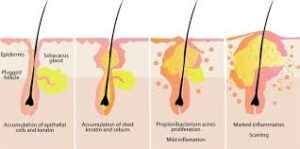
Acne is a common skin issue that affects both teenagers and adults. It develops when pores become blocked with oil, bacteria, and dead skin cells. As a result, pimples, blackheads, and redness begin to appear on the skin.
Acne can affect the face, neck, chest, shoulders, and back. Although it is not dangerous, severe acne may leave scars and reduce self-confidence. Therefore, early treatment is very important.
What Causes Acne?
Hormonal Changes
Hormones are one of the biggest causes of acne. During puberty, hormone levels rise and increase oil production. Consequently, pores become clogged more easily.
Women may also experience hormonal acne during pregnancy or menstrual cycles. Stress can also affect hormones and trigger breakouts.
Excess Oil Production
Sebaceous glands produce oil to protect the skin. However, excessive oil can block pores and trap bacteria inside. Therefore, oily skin types often experience more acne problems.
Bacteria and Inflammation
Bacteria naturally live on the skin surface. When pores become blocked, bacteria multiply quickly. As a result, the skin becomes swollen, red, and painful.
Dead Skin Cell Build-Up
Dead skin cells usually shed naturally. However, they sometimes remain trapped inside pores. Consequently, blackheads and whiteheads start to form.
Poor Lifestyle Habits
Unhealthy habits can worsen acne symptoms. Fast food, sugary snacks, and lack of sleep may increase inflammation. In addition, stress can make acne more severe over time.
Different Types of Acne
Whiteheads
Whiteheads are small bumps with closed pores. They usually appear white or flesh-colored.
Blackheads
Blackheads form when clogged pores stay open. Exposure to air causes the surface to turn black.
Papules
Papules are small red bumps without pus. They often feel tender and irritated.
Pustules
Pustules contain pus and appear swollen. These pimples are usually red with white centers.
Cystic Acne
Cystic acne is severe and painful. It forms deep under the skin and may cause permanent scars.
Best Acne Treatments for Clear Skin
Wash Your Face Gently
Use a mild face cleanser twice daily. Gentle cleansing removes dirt and excess oil without damaging the skin barrier.
Use Salicylic Acid Products
Salicylic acid helps unclog pores and remove dead skin cells. Therefore, it reduces blackheads and prevents future breakouts.
Apply Benzoyl Peroxide
Benzoyl peroxide kills acne-causing bacteria and reduces inflammation. As a result, pimples heal more quickly.
Try Retinoid Creams
Retinoids improve skin renewal and prevent clogged pores. In addition, they help reduce acne scars and dark spots.
Keep Skin Hydrated
Acne treatments may dry the skin. However, oil-free moisturizers help maintain proper hydration and reduce irritation.
Avoid Touching Your Face
Touching acne spreads bacteria and dirt across the skin. Consequently, breakouts may worsen and leave scars behind.
Natural Remedies for Acne
Aloe Vera Gel
Aloe vera soothes irritated skin and reduces redness naturally. It also supports faster healing.
Tea Tree Oil
Tea tree oil has antibacterial properties that may help treat mild acne. However, it should always be used carefully.
Honey Treatments
Honey helps fight bacteria and calm inflammation. Therefore, it may improve skin texture and reduce pimples naturally.
How to Prevent Acne Naturally
Eat Healthy Foods
Fresh fruits, vegetables, and healthy proteins support better skin health. In addition, drinking enough water keeps the skin hydrated.
Change Pillowcases Frequently
Dirty pillowcases collect bacteria and oil. Therefore, regular washing can help prevent acne breakouts.
Reduce Daily Stress
Stress increases hormone activity and worsens acne. Exercise, meditation, and proper sleep can improve skin condition significantly.
Choose Oil-Free Cosmetics
Oil-based makeup products may clog pores easily. Non-comedogenic products are safer for acne-prone skin.
When to See a Dermatologist
Some acne cases need professional treatment. Severe cystic acne, painful breakouts, or deep scars should never be ignored.
Dermatologists may recommend prescription creams, antibiotics, or laser treatments. Therefore, early medical care can prevent long-term skin damage.
Conclusion
Acne is a common skin condition, but it can be managed successfully. Proper skincare, healthy habits, and effective treatments help reduce breakouts and improve skin appearance.
Understanding acne causes allows better prevention and faster recovery. With consistency and patience, clear and healthy skin becomes easier to achieve.